An Open Letter to Donald Trump Regarding my Outstanding Concept of a Plan to Serve as the United States Egg Czar

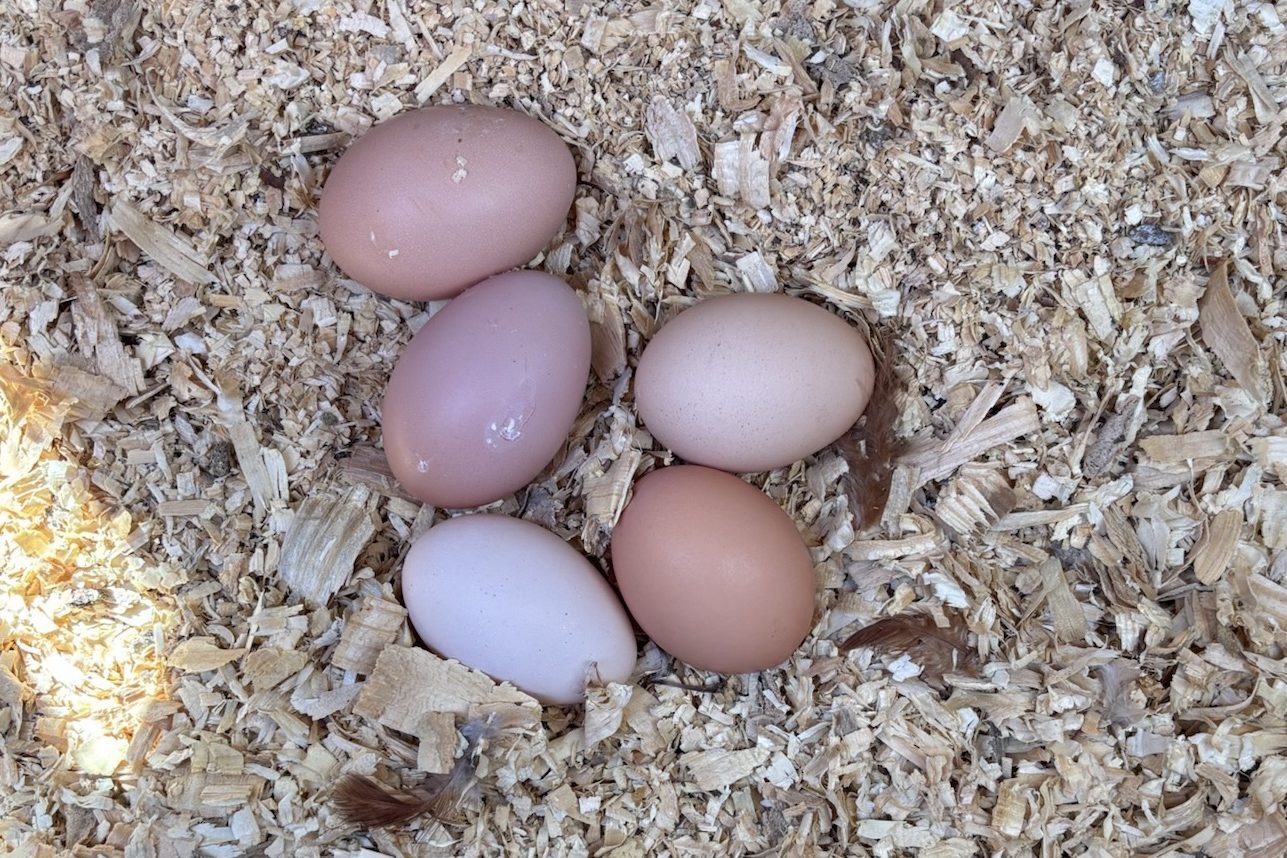
Five eggs in a variety of brown shades

Dear President Trump,

At the grocery store last week, I paid $14 for a dozen organic free range brown eggs. It was the only carton left. I realize you are busy writing executive orders and antagonizing foreign countries, so I wanted to offer my services as your new United States Egg Czar.

I own six chickens ranging in age from two to six years. Yes, the chickens have names: Shadow, Speckles, Acadia, Sequoia, Delaine, and Keeley. (I know! I thought the same thing. The last two totally sound like they could be your White House press secretary.) 

Having been a chicken tender for almost a decade, I am the expert you need.

Let me start by explaining how we arrived at this crisis point. It’s a problem you know well. DEI. In the 1970s, there were no brown eggs. Eggs came in a cardboard carton with 12 perfect white orbs. Today we pay extra for blue and brown eggs. That’s right. Colored eggs cost more. Absolutely offensive. My first act will end egg diversity. Let’s make eggs great again.

Wait, less eggs? Won’t that make the cost of eggs go up even more? No. Because the DEI issue runs deeper than shell color. The shocking truth is that the entire egg production industry is made up of girl chickens. Boy chickens are not included in this important work. Our country was so busy making opportunities for girl chickens under the auspices of equity they forgot about the roosters. We could double our egg generation capacity by stopping this woke practice.

Personally, I can tell you the female chicken problems are insidious. Remember I said I had to pay $14 for eggs, but then I mentioned I have chickens. Shouldn’t my girls be pooping out free eggs? They should. But my lazy hens laid a total of four eggs from Election Day to Inauguration Day.

It’s tempting to blame Shadow and Speckles, because old lady chickens stop producing eggs. But you and I know that the elderly deserve respect, even if they have limitations. My young chickens, Acadia and Sequoia, are the problems. At two years old, they are the equivalent of human teenagers. In November that young fertile duo decided their look was mid and dropped all their feathers. Thinking only of themselves, those selfish fashionistas ran around naked, knowing that chicken bodies can either make eggs or new feathers. This feather shedding even has a repulsive name: molting. No, the problem isn’t limited to my coop. All hens are vain.

Furthermore, experience tells us that hens do not lay eggs unless there is enough light. I hypothesize this is because chicken ladies are weak and afraid. They want to huddle together and gossip, not sit alone in the cold and dark producing food for humans.

Teenage boy chickens wouldn’t care about fashion. They wouldn’t be afraid. They’d strut around in their long shorts and hoodies and do their damn job. Let us start a program to get roosters in the egg production business and show these hens what real egg laying looks like. (Ignore the naysayers whining about biology.)

Ugh. The whining. Seriously, only an idiot wouldn’t see this price spike coming. I would go so far as to say eggs should cost $14 each given the discrimination, aging, molting, and darkness. No. $1400 each, all winter long. Only worthy billionaires should be able to afford luxuries like French toast casserole on Christmas morning. We live in a capitalistic society. This is basic supply and demand.

I know. Americans don’t care about poultry science or economic systems. They want cheap eggs. Too bad. Thankfully we are visionaries with multifaceted plans. We know how to justify expensive things. Tariffs. I don’t exactly understand how tariffs work, but who does? Let’s tariff the heck out of all French sounding foods then rebrand eggs as œufs (French for egg). Then if some “American” wants a meal of fried œufs with a side of brie, poutine, and escargot, bon appétit. It sounds disgusting and will cost them a pretty penny. (Oh, sorry, you got rid of pennies.) It will cost them a quality quarter.

Now for the pièce de resistance. This will all fix itself soon. There is a reason all springtime rituals include eggs. When chickens aren’t being vain and fearful, when their feathers are full and fluffy, and when the sun is shining, eggs flow like manna from chicken butts. It’s true. By Easter and Passover, Americans will have their $2 a dozen eggs. Really. Just yesterday I skipped out to my back yard and collected five eggs from my girls. Like magic, your campaign promise will be delivered. 

If anyone mentions the bird flu just ignore them. I’m sure it’s a hoax.

God Bless America,

Johanna Levene
Chicken Eating Pear Noises

I have resigned myself.  I will never be a writer.  A writer must create beautiful grammatically accurate sentences with all the words spelled correctly, on purpose.  They care passionately about prepositions at the ends of sentences, starting sentences with “so”, pronoun agreements, and gerunds (which I spelled gerands before the spell-check wiggly-line alerted me to my error: I am hopeless.)  So I have resigned myself to becoming a story-teller, because no one cares if a story-teller screws up the language a bit.  Sometimes it even makes the story better.  Case in point, the Afthead household had a bag of pears going bad, so my husband and I were removing the moldy bits so we could feed the brown and mushy bits to the chickens.  (Chickens turn rotting food into eggs, which is magic I’ve come to appreciate in our months of ownership.)

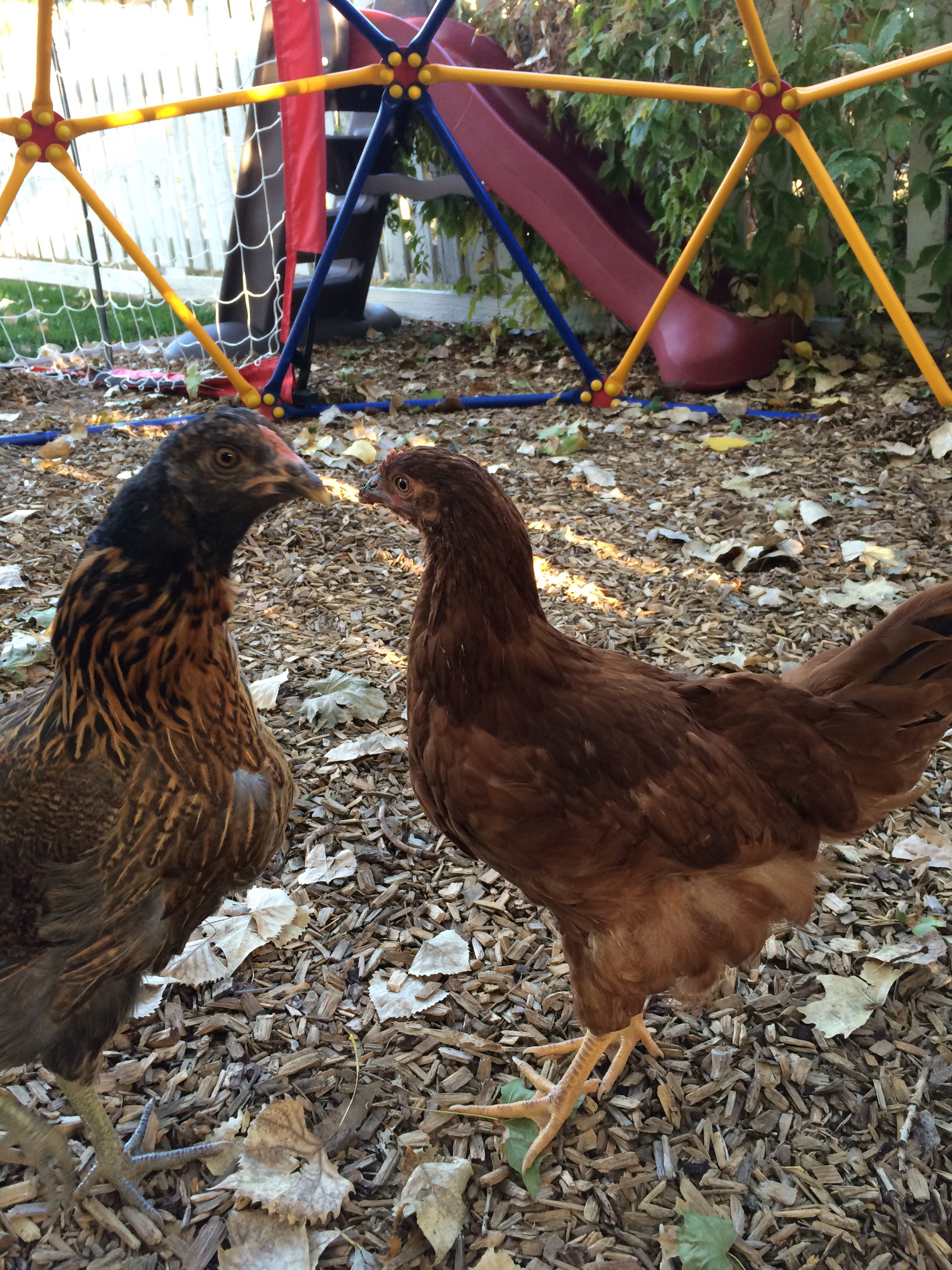
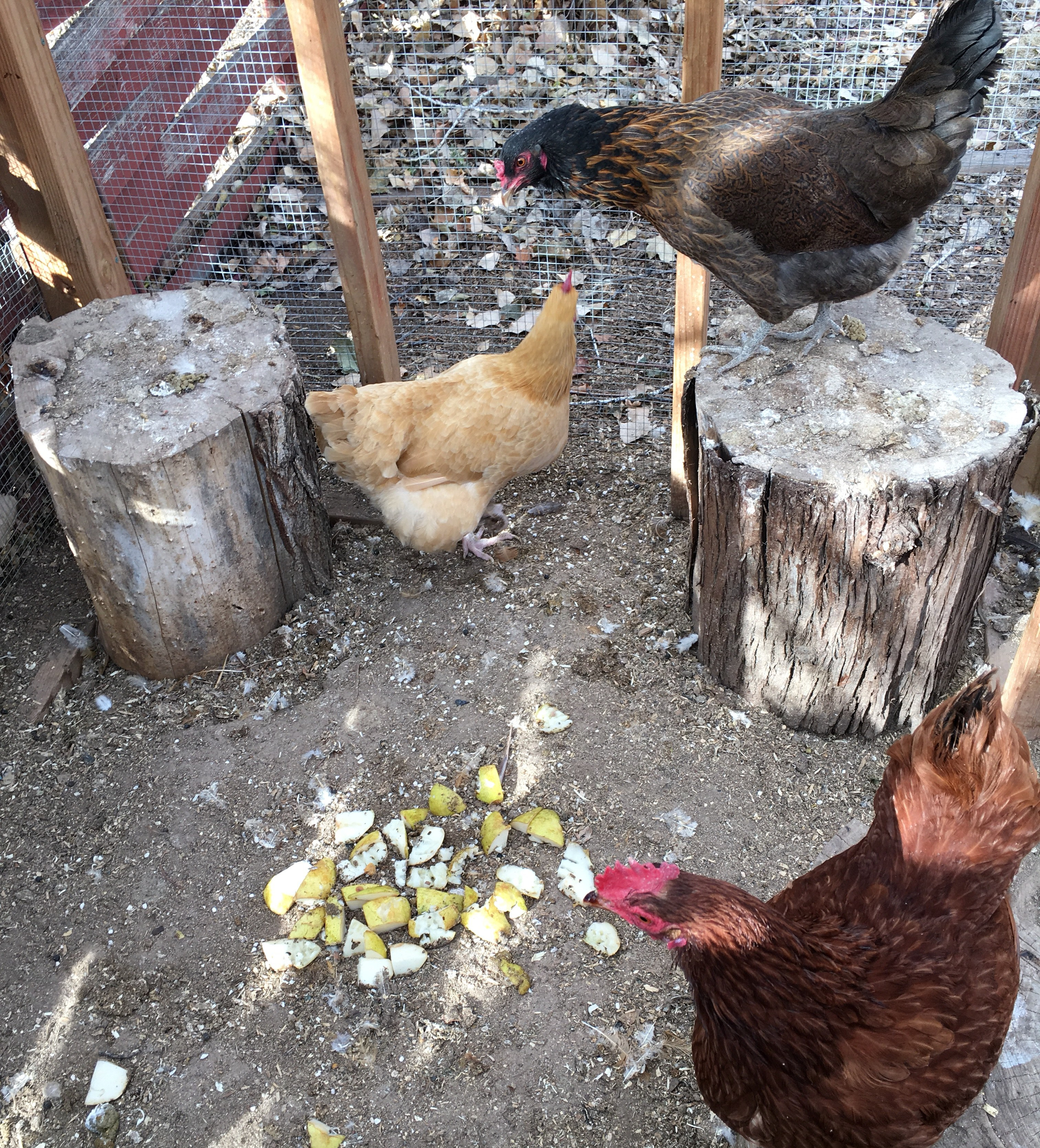
Three chickens evaluating pears prior to eating them

I scooped the pears into a bowl and said, with delight, “Now I get to hear my favorite chicken eating pear noise.”

My husband looked at me with that you are a doofus look he reserves just for his beloved wife and said, “I think you mean pear eating chicken noises.”

I was horrified.  Pear eating chicken noises sounded like the noises giant pears would make as they ripped my poor unsuspecting chickens to bloody shreds.  “No,” I insisted, “that’s backwards.”

Leave it to my mom, the retired English teacher, to show me the error of my ways.  “Think of it like a hyphenated phrase,” she said, “Pear-eating chicken noises is what you love.  Chicken-eating pear noises are the terrifying ones.”

Once again my grammar savant engineering husband and English degreed mother found the errors in my word choices.  If I wasn’t so stubborn I’d stop disagreeing with them and just accept my ignorance.  There is a reason I make them read everything I write.  They are good at this English language stuff.

But I am good at the creativity stuff, so I hauled out the fancy markers, grabbed Afthead Junior and said, “Let’s draw pictures of chicken-eating pears!”

My daughter, having witnessed the pear-eating/chicken-eating argument, asked for clarification, “You mean scary pear drawings?”

“Yes.”

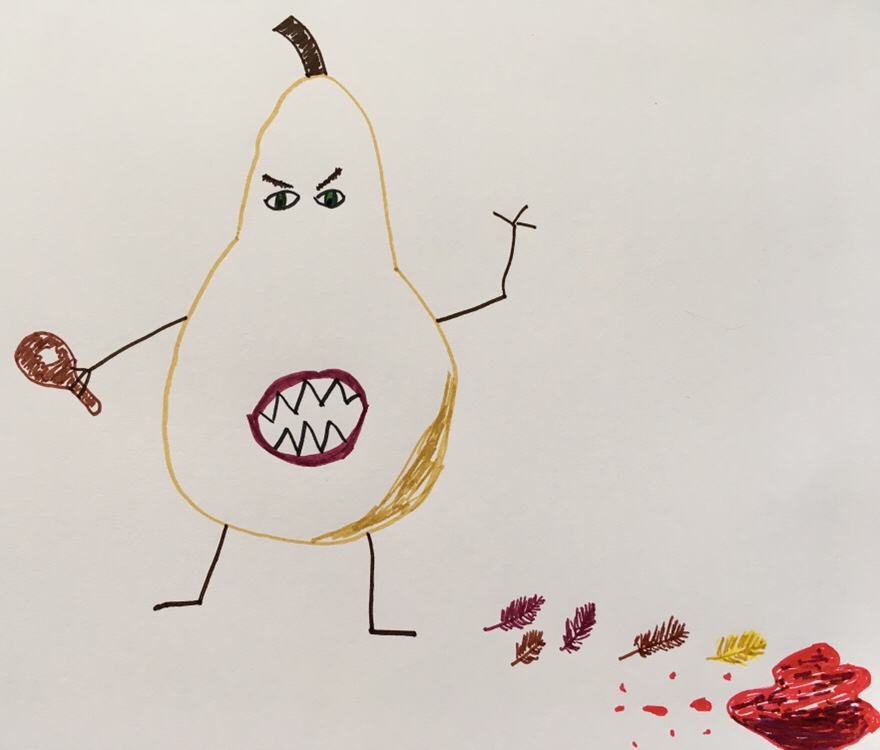
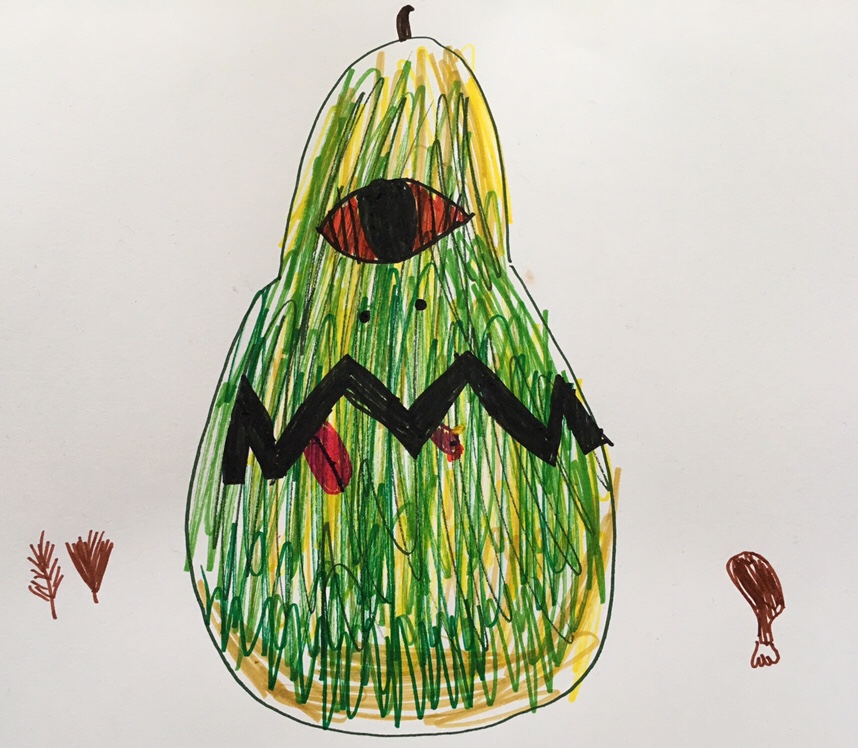
Behold, the chicken-eating pears.  They are terrifying.  They are chicken-eating.  They are bloody.  Keep your chickens locked up safe, folks.  You don’t want to see these monsters in your coop.  Nom nom nom,

Afthead’s chicken eating pear.  (Don’t know where he got the roasted drumstick.)

Afthead Junior’s chicken eating pear.  (Look in its mouth!  A head!  So scary!)

Yes.  Thanks.  I know.  It goes without saying.  I am a story-teller, not a writer.  And I am DEFINITELY NOT an artist.  No need to point that out.  It’s just rude.

Now off to go create the world of the chicken eating pears and how they wreck havoc on unsuspecting small farmers and backyard chicken enthusiasts.  Beware the pear!


Just in case you are wondering, the video below shows Rosie making the pear-eating chicken noises that I adore.  Listen close — it’s a subtle sound.

Earth Day in my Gardens

It’s Earth Day!  What better way to celebrate than to show you my gardens?  This post was written last year when Amanda Soule of Soulemama asked her readers to submit a piece about their garden.  Each month she selected one to share with her readers.  Well, my gardens never made her blog, but they can sure make mine!  Shall we go for a stroll?


Gardener: Johanna Levene

Garden Location and Zone: Denver, Colorado – Zone 5

Vegetable Garden Size: Home (300 sq feet) School (500 sq feet)

Image 1 - windows into the gardenSpring in the Garden 

How long have you been gardening?

I don’t ever remember not gardening.  My spring and summer childhood memories revolve around Mother’s Day flower shopping, mixing bright blue Miracle Grow water for tomato planting, and sitting very quietly with my mom listening for tomato hornworms as they chewed their way through our plants. When we found one we’d fling it into the street, except the one time we put it in a terrarium and watched it grow into a spectacularly terrifying moth.

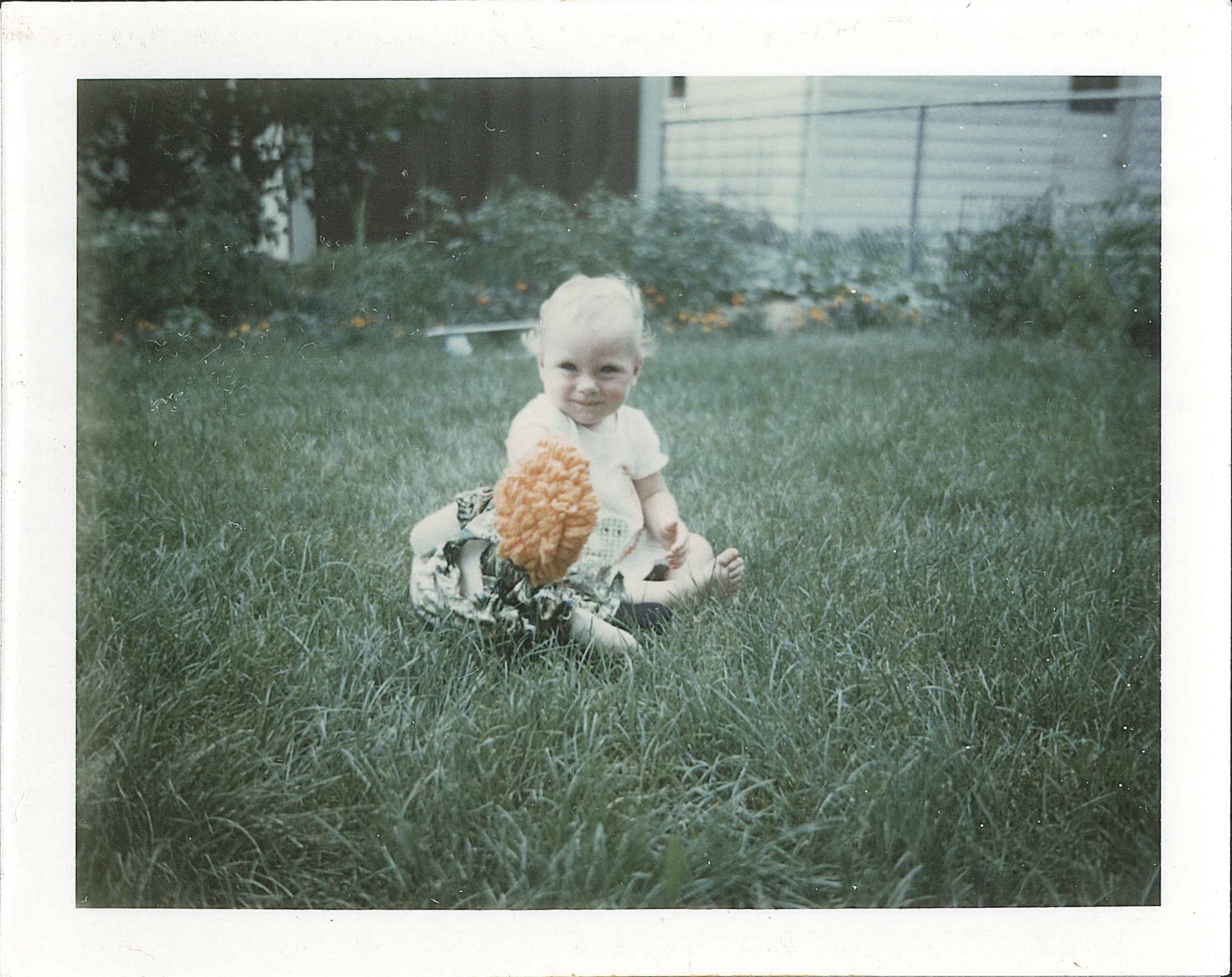
Image 2 - Johanna in the gardenMe and Raggedy Ann in my grandma’s garden 40 years ago
I taught my husband to garden when we bought our house and he has taken over most of the maintenance while I still focus on the new plantings and the vegetable garden.  We’ve moved away from the chemical fertilizer of my childhood to organic gardening, but he brings a new kind of technology to our efforts.  As a mechanical engineer he can be found weekend mornings walking around our yard with his AutoCAD drawings of our garden recording the growth, blooms and colors of the plants.  He maintains both an electronic and hard copy of these maps:  he is a modern garden dork.

 Why do you garden?

Gardening is one pastime that brings our family of diverse interests together.  In our life we have two working parents and an only child and it’s easy to get swept away in all the things we “should” be doing.  Gardening makes us slow down and spend time together because we all enjoy being outside together playing in the dirt.

Where do you go for gardening inspiration?

My garden inspiration is largely found in walks through the neighborhood, visits to my parent’s house, and trips to my local nursery.  I have been known to steal seeds from a neighbor’s unique flower or bring a trowel when visiting a friend who has a particularly pretty iris.  

What’s your biggest gardening challenge?

In Denver late freezes, summer hail, and early freezes are the destroyers of gardens.  Last year we planted two Sundays before Memorial Day and our garden was demolished by hail two days later.  The year before we had Japanese Beetles for the first time.  We tried to control their population by borrowing a friend’s chickens for a weekend.  We believed in that solution so much that we got our own chickens last year in order to avoid loading chickens into the back of my Subaru.  Also chickens turn bugs into eggs, which is awesome.

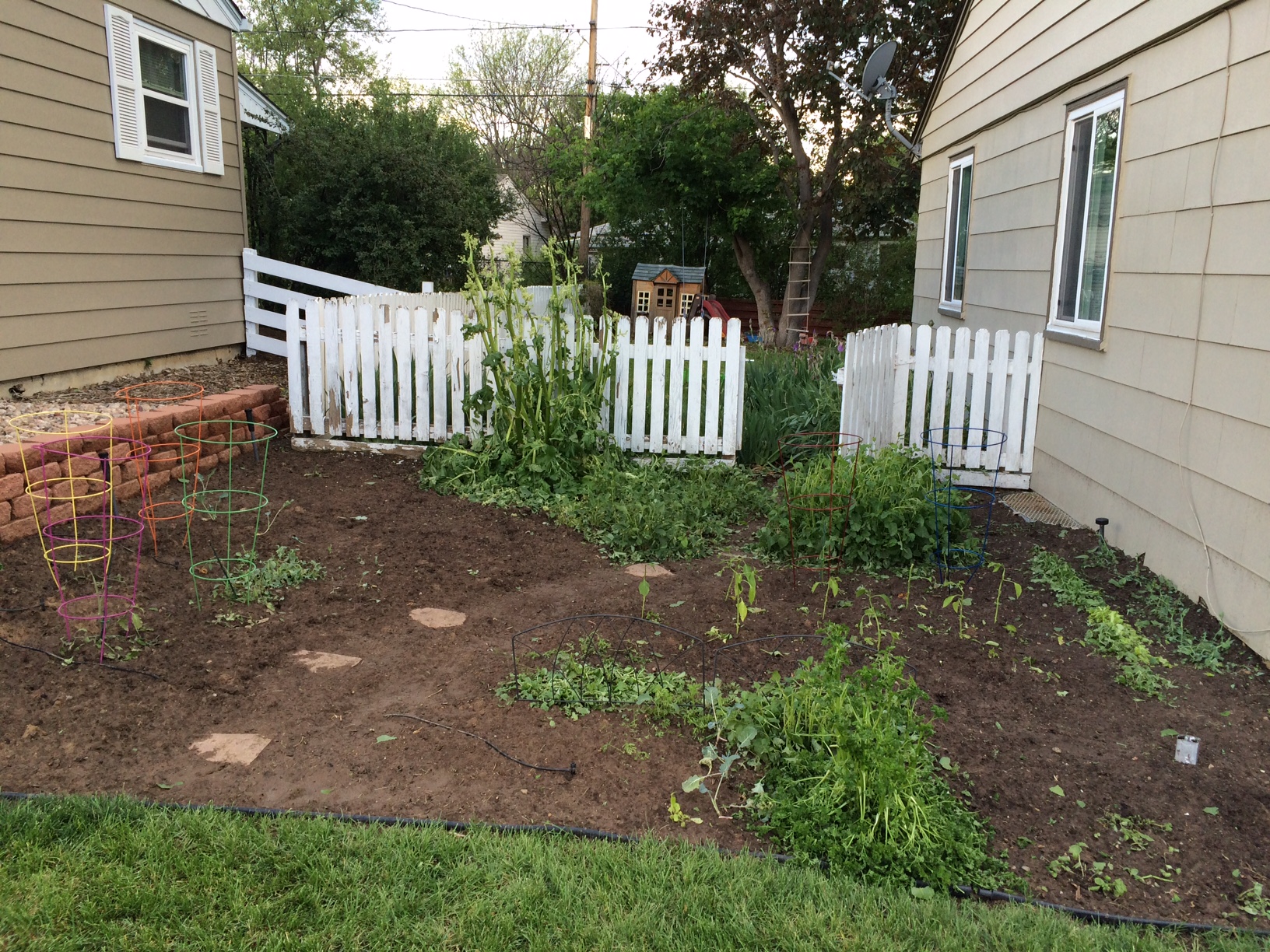
Image 3 - Hail DamageLate May hail damage and our white picket fence.  Poor plants.

 What’s your biggest garden accomplishment?

For the past couple of years we have included our daughter’s friends in the planting and harvesting of our garden, and we’ve loved introducing new kids to our garden.  Last year our family expanded our influence to include seventy-five third graders at our public elementary school.  The parent who had been in charge of our school garden was graduating her oldest child, so when the school asked for volunteers we jumped at the chance.  We plant with the kiddos in late May and harvest in September.  We love every minute of it.  My favorite moment last year was at the plant sale when this tough eighth grade boy came loping down the stairs and said, “Do I smell tomato plants?  I love that smell.” Even the big kids get excited about the garden.  The school garden gives kids a focal point that they look forward to in the younger grades, own in third and fourth grade, and then remember in the later grades.

What do you most love to grow?

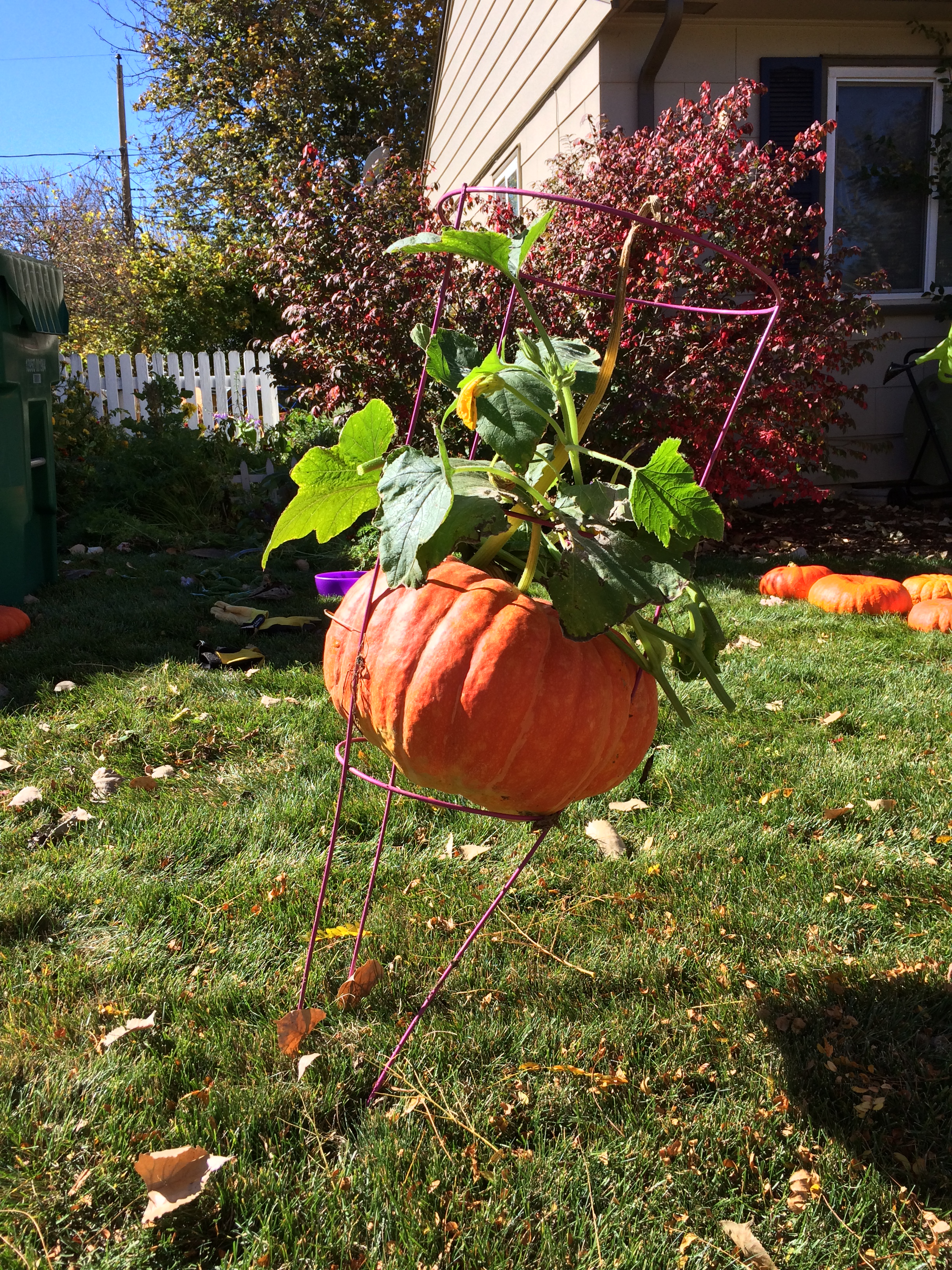
We grow flowers and vegetables.  In the veggie garden tomatoes and Anaheim peppers are our standby favorites, but the past few years we’ve grown potatoes, and they are magical.  The plant grows, the plant dies and you don’t know what the harvest looks like until you dig around.  We never fail to miss a spud or two so the potatoes just keep perpetuating.  Oh, and don’t get me started on pumpkins.  One day you have no pumpkins and the next day one has grown so big you can’t get it out of the tomato cage.

Image 6 - pumpkin in a cagePumpkin in a cage

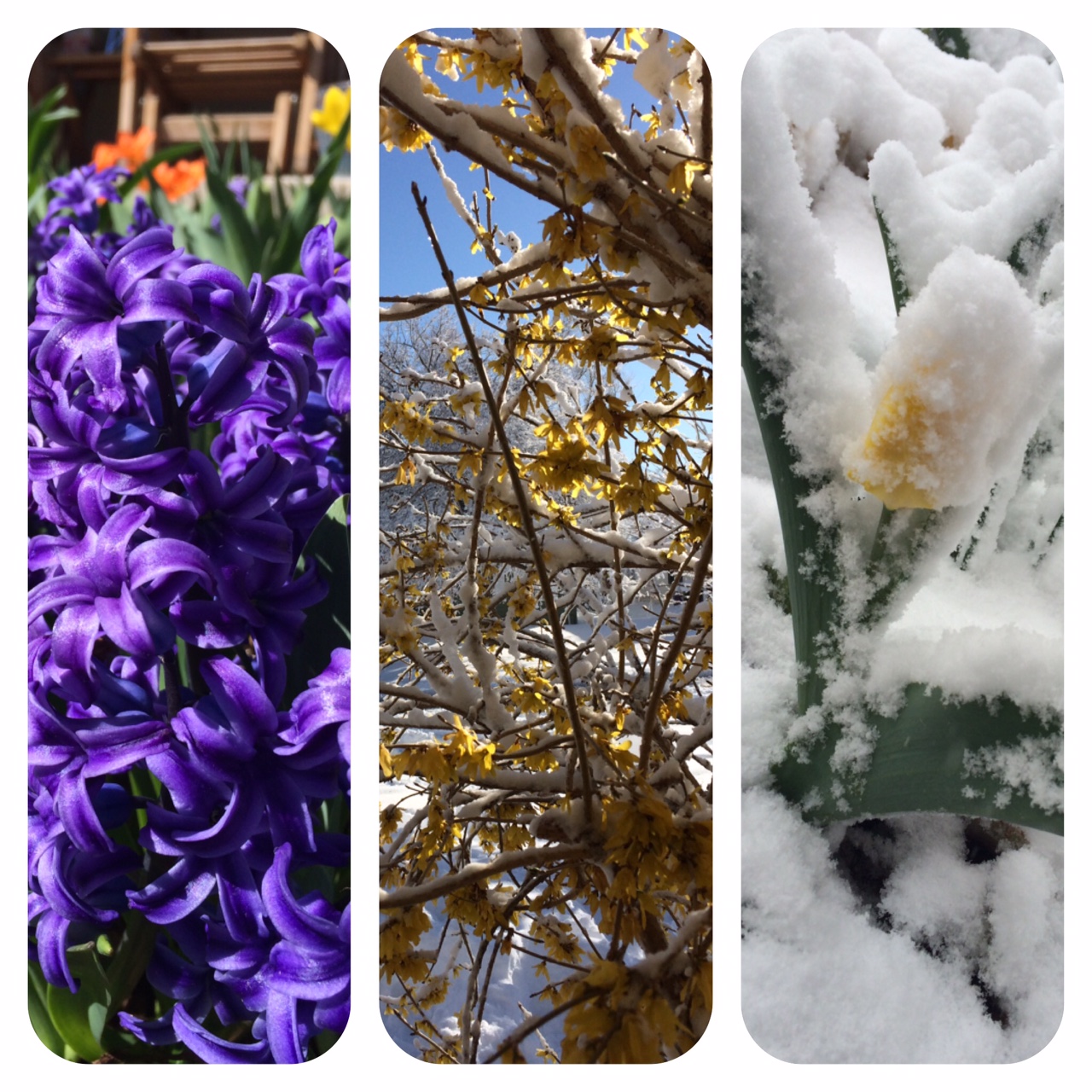
In the flower beds we have tons of spring bulbs: tulips, miniature iris, hyacinths, crocus, and daffodils.  My heart thaws every February when the first crocus appears.  We’ve got color all year, but the flower gardens reach their peak in spring and early summer.  In Colorado, July and August are a bit hot and dry for many blooms.

If you have children, what role do they play in your gardening?

We include our daughter as much as she wants to be included.  From year to year her interest and commitment change, but we try not to force her into gardening because we think nothing ruins a kid’s love of “yard work” like being told they must participate.  Last year my husband and I did most of the planting – both times, stupid hail – by ourselves.  The spring vegetables are her favorite and she’ll head out to the garden before school to snack on lettuce and snap peas.  In the fall she’ll help us harvest the veggies and process them for storage.  Our daughter is also enjoying our new role as garden parents at school and is looking forward to her turn planting the school garden this year.

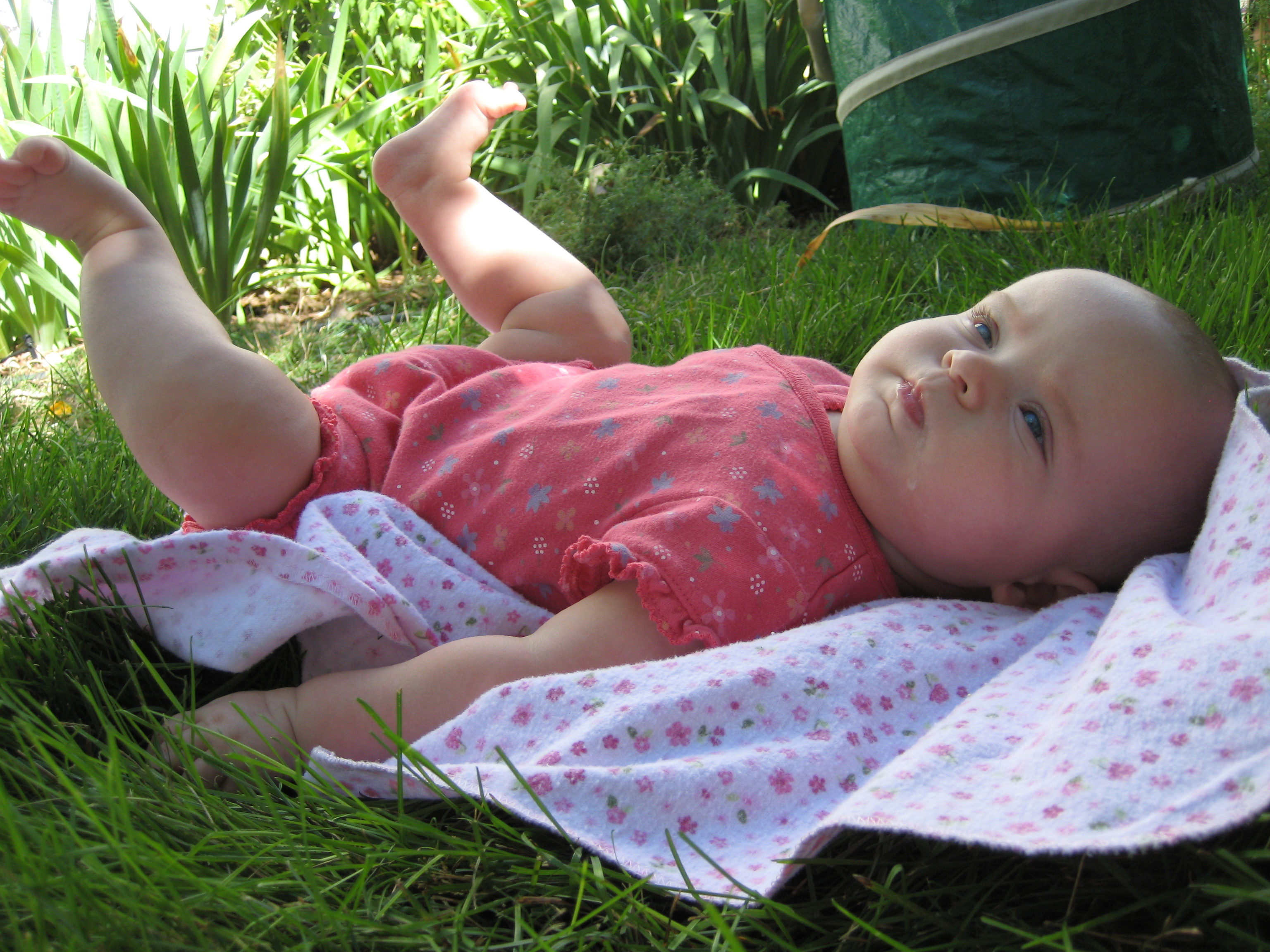
Image 7 - baby in the gardenGardening before she could walk eight years ago
 Can you share one or two of your favorite gardening tips?

We’ve lucked into a couple of natural pest solutions that make gardening easier:  plant cilantro right next to your tomatoes to keep the hornworms away, and a huge lemon verbena plant in the middle of everything keeps a variety of pests away and smells great when you *accidentally* crush it when weeding.

 Is there anything else you’d like to tell us about your garden?

We have an urban garden at our house, and it supplements our meals, but does not come close to providing all the food our family eats.  Our school garden provides an opportunity for kids to learn where food comes from and harvest a feast for the fourth graders in the fall.  Our gardens are as much about growing our family and community as they are about growing food.

 Can you tell us about yourself?

By day, Johanna Levene is a manager of a team of ten web developers, database administrators, analysts and projects managers that build web tools about renewable energy and alternative fuels.  In the evenings she transitions to a mom of a third grader which can include the roles of a soccer coach, gardener, meal maker, and pet caretaker of two cats, one hamster, three chickens, and a few snails.  Once the kiddo goes to bed, Johanna’s evening persona morphs into a crafter with a primary focus on knitting, and an aspiring novelist.  When she’s not busy with the rest of that stuff she manages to be a wife too.

Wonky Love

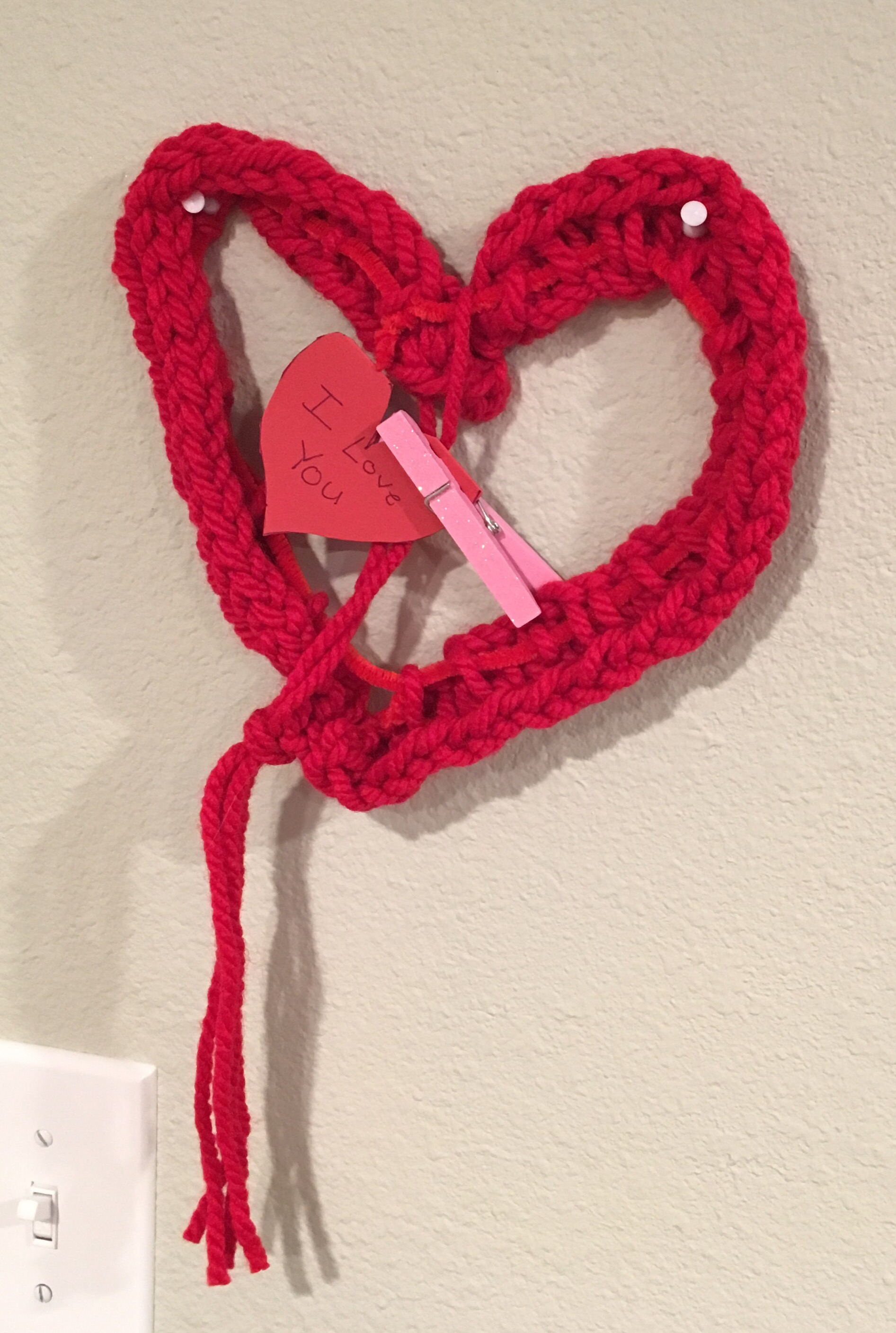
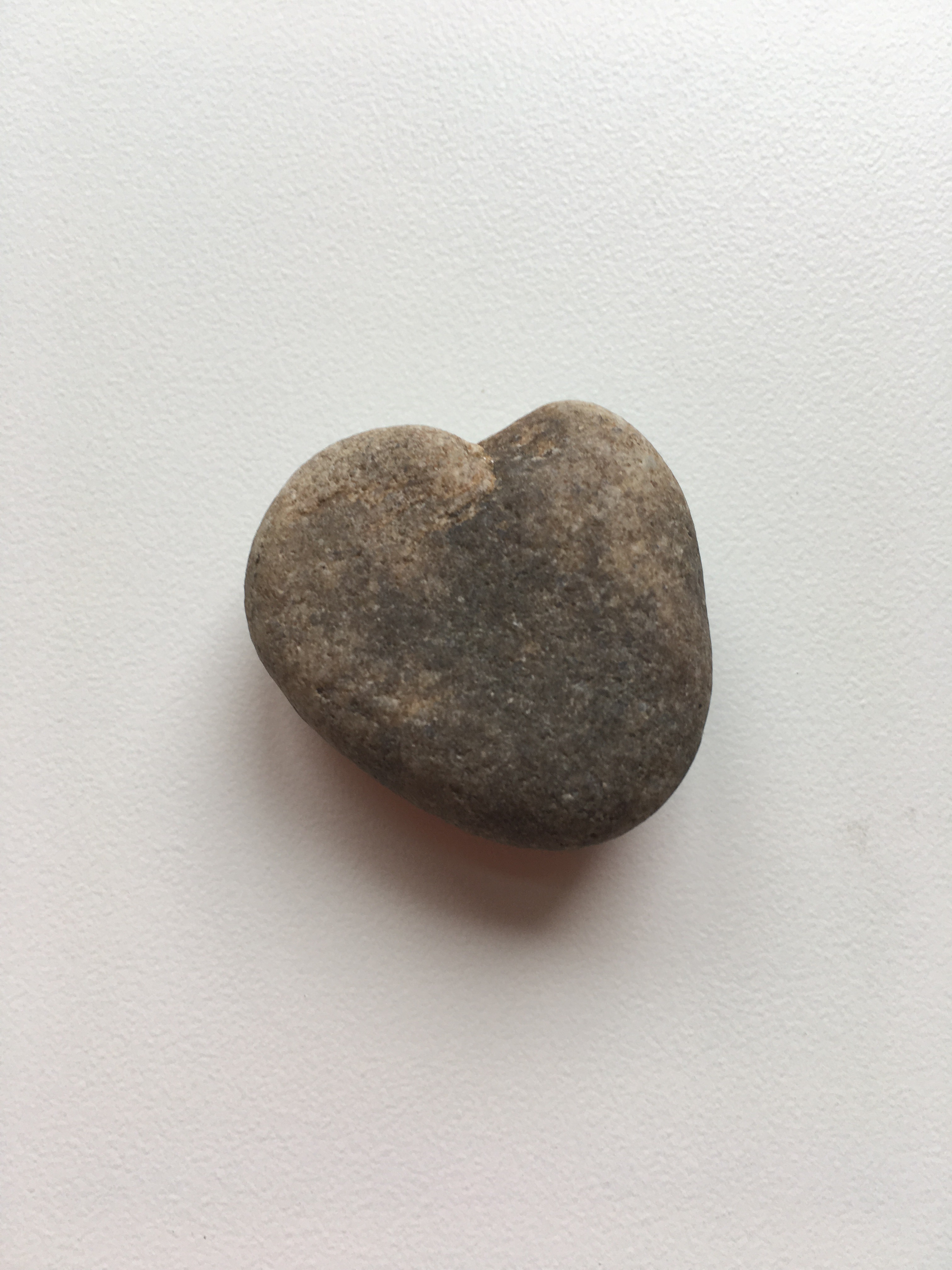
Love is not always a humped crimson orb tapering to a perfect point.  Sometimes it’s a little asymmetrical, dirty and rounded. 

Or life has taken a big hunk out of it.  

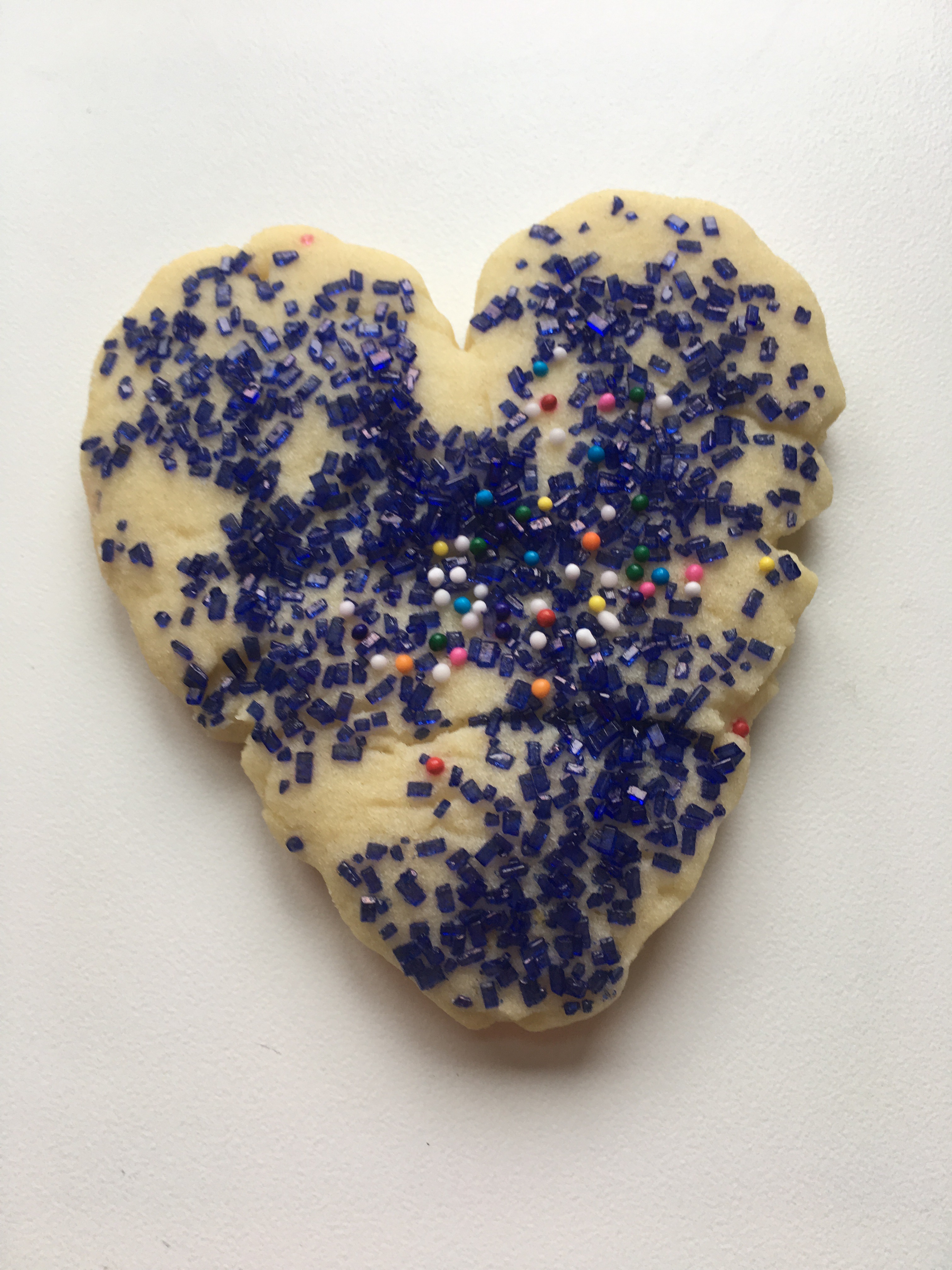
Occasionally it’s cracked, misshapen, and poorly sprinkled – yet still delectable.  

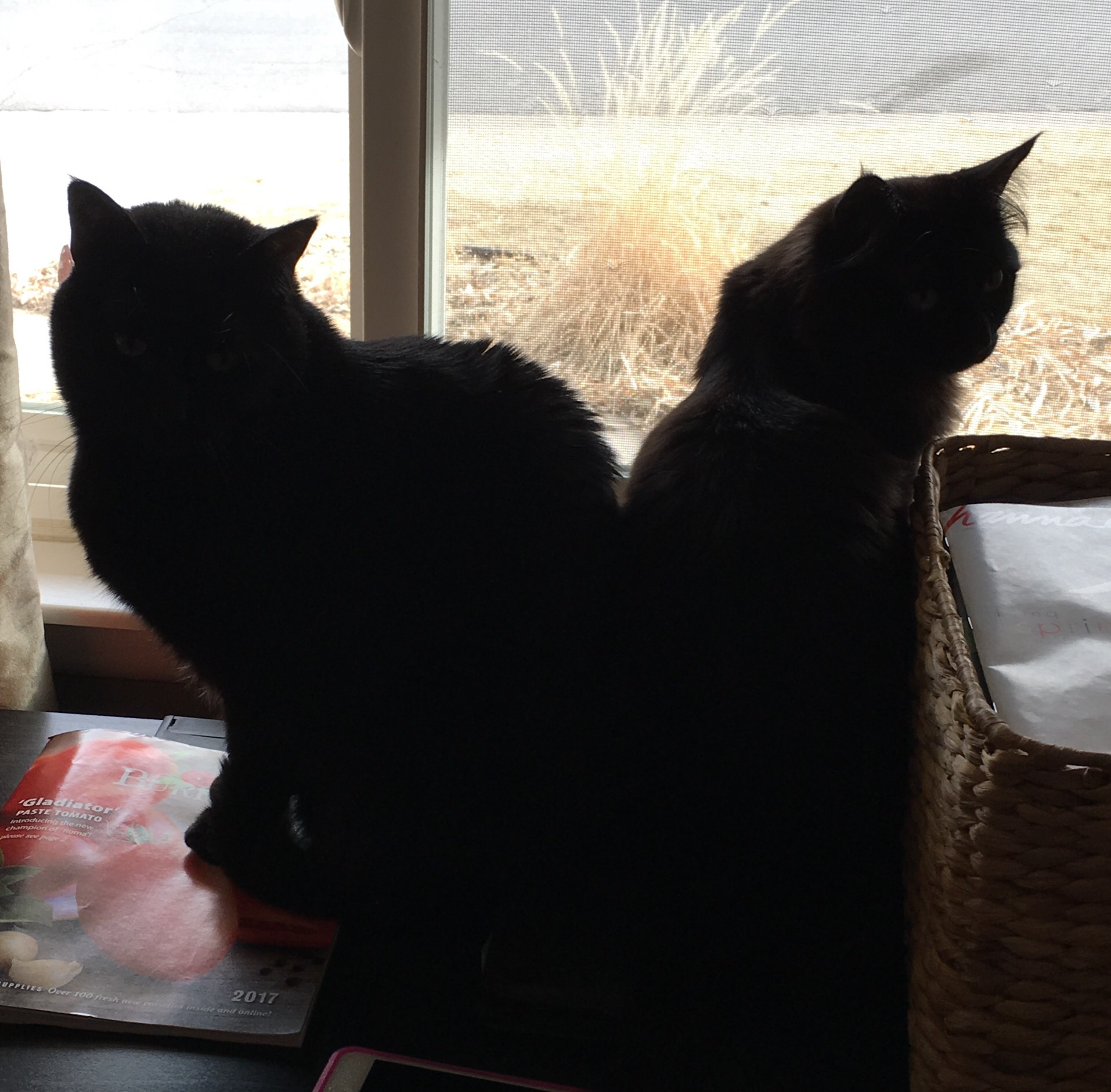
Sometimes it’s fuzzy and a bit standoffish.

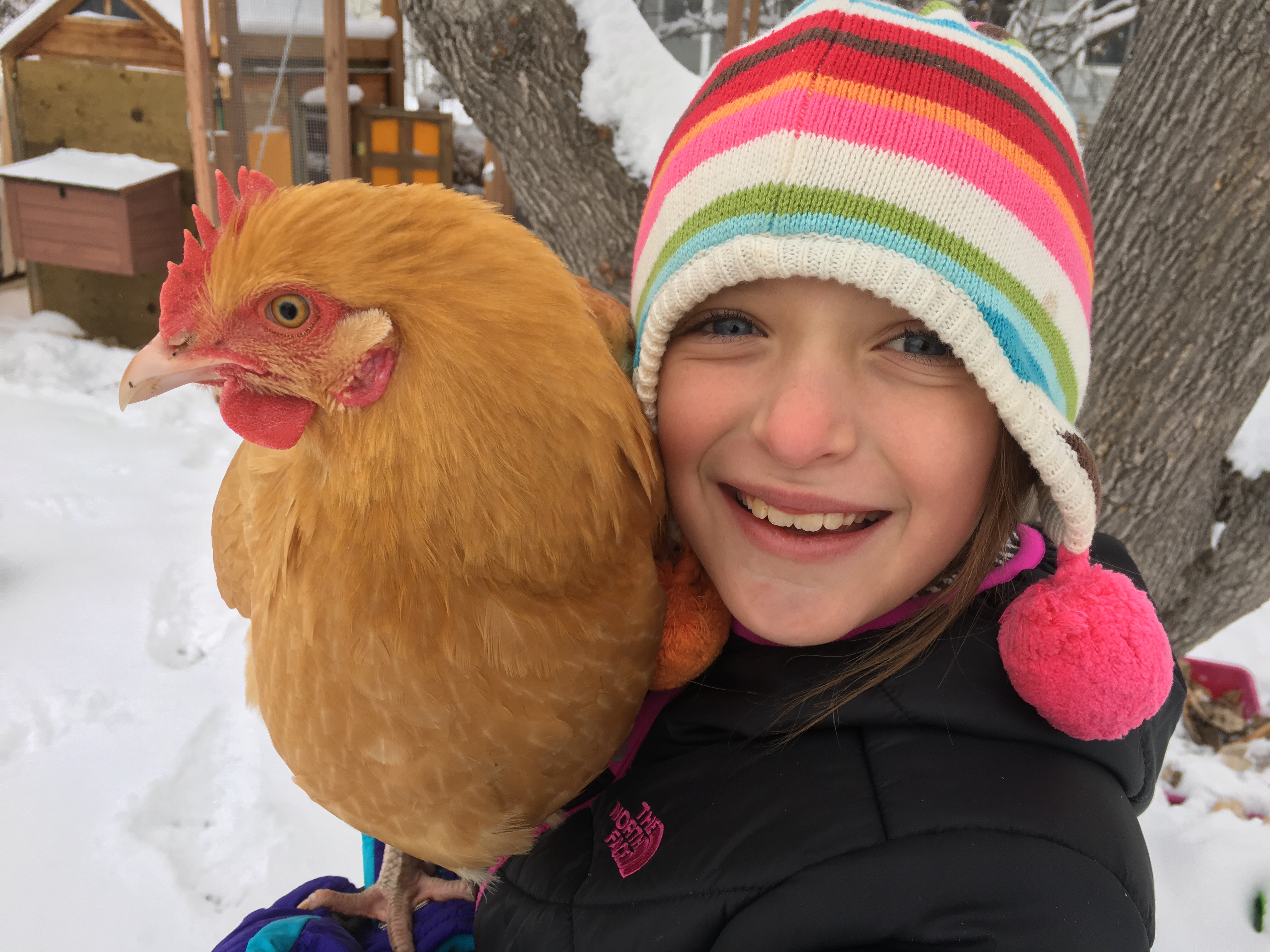
Unexpectedly its feathery alien aspects will push you to new limits.  

Yet pure glimpses into its soft irregular perfection will overwhelm you.

Whatever the shape, size, or consistency of your love today embrace it.  Happy Valentine’s Day from my afthead (and forehead) to yours.img_1238